Preserving the History, Heritage, and Landscape of Koontz Hollow and Nearby Hunter's Fork
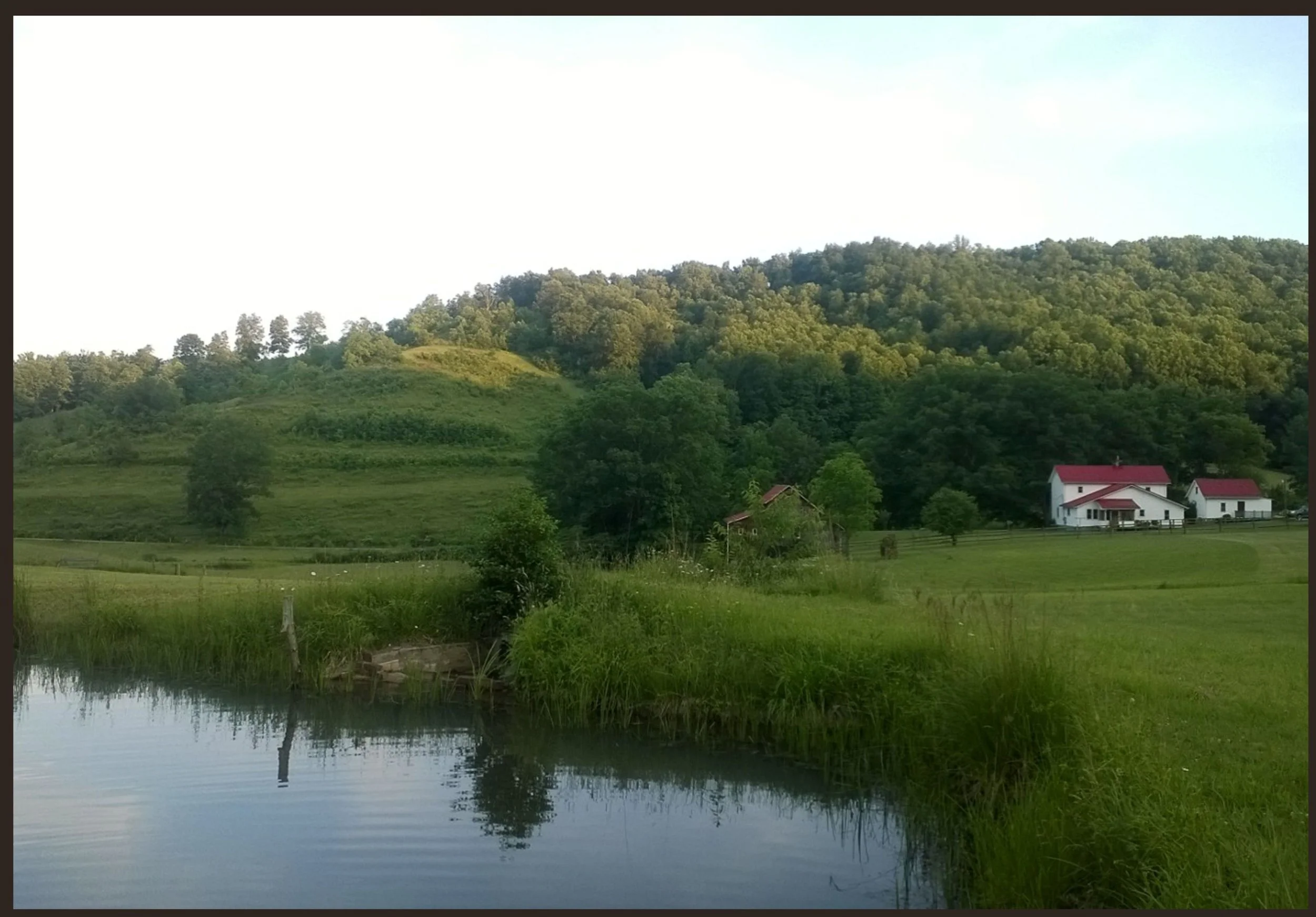
Koontz Hollow is more than a location on a map. Nestled among the hills of Barbour County, West Virginia, Koontz Hollow and nearby Hunter's Fork reflect generations of family stewardship, Appalachian heritage, historic farms, cultural resources, and rural landscape preservation that have shaped the community over time. Historic farms, forested ridgelines, streams, and rural homesteads contribute to the character of an area that remains largely unchanged by modern development.
As the proposed Valley North transmission project advances through the region, this site seeks to preserve the historical record of Koontz Hollow, cultural resources, Eastern Woodland Native artifacts, land stewardship, and community significance of an area that has long been part of West Virginia's story, while documenting the potential impacts associated with the Valley North and Valley Link Transmission project.
A Place with Deep Roots
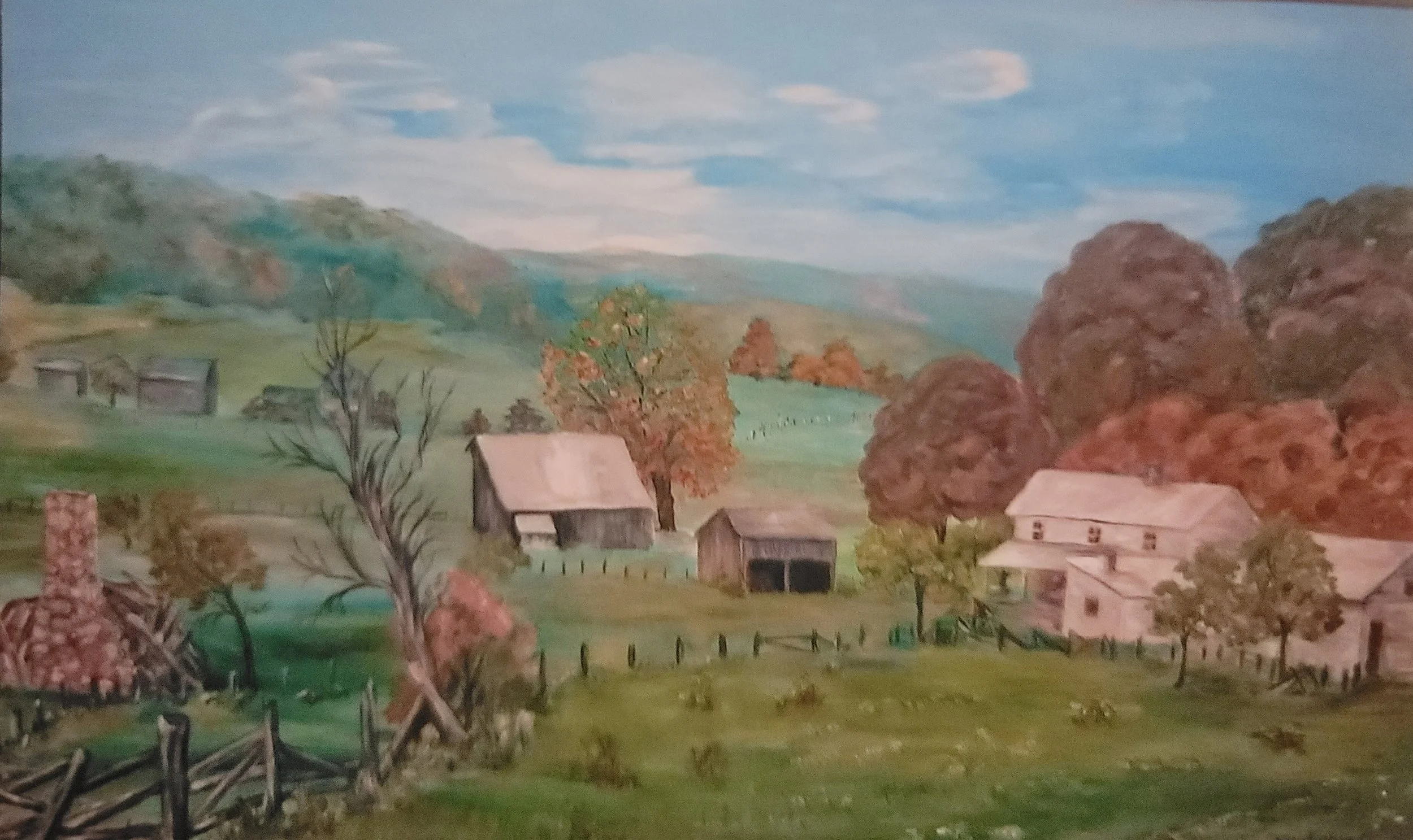
Original oil on canvas of the old Koontz Homestead and Neighboring property in the late 1800s both currently at risk by the Valley North Line by Valley Link Transmission.
The Koontz Family Across Generations
The story of Koontz Hollow and nearby Hunter's Fork is one of family, heritage, and long-term stewardship. Family roots in this part of West Virginia extend back to the years surrounding the founding of the United States, when early settlers established farms, homes, and communities among these Appalachian hills.
Descendants served during both the Revolutionary War and the Civil War while maintaining ties to the land that helped shape their lives. Through changing times, the landscape of Koontz Hollow has remained connected to the families who lived, worked, farmed, hunted, and cared for it.
Today, the farms, forests, streams, and ridgelines of Koontz Hollow continue to reflect a living heritage passed from one generation to the next—an enduring part of West Virginia's history and Appalachian heritage.
Philip Kunce (1764-1856) who was married to Barbara Barnhouse (1779-1855) were the 5th great grandparents of the current steward of the old homestead in Koontz Hollow. They had 13 children, many of which stayed in the area and whose descendants married into the Ramsey and Kelley families. Barbara’s parents were John Barnhouse and Mary Talbott Barnhouse (6th great grandparents) are buried in the Old Free Church Cemetery in Meadowville, Barbour County, WV. John Barnhouse served in the revolutionary war. Philip Kunce was known for his mills, with his second one being built in Hunter’s Fork.
There were many other founding families of the Koontz Hollow, Sugar Creek, and Hunter’s Fork area such as the Ramsey’s, Kelley’s, and Pollands. Their legacy will be on their respective pages as information arrives.
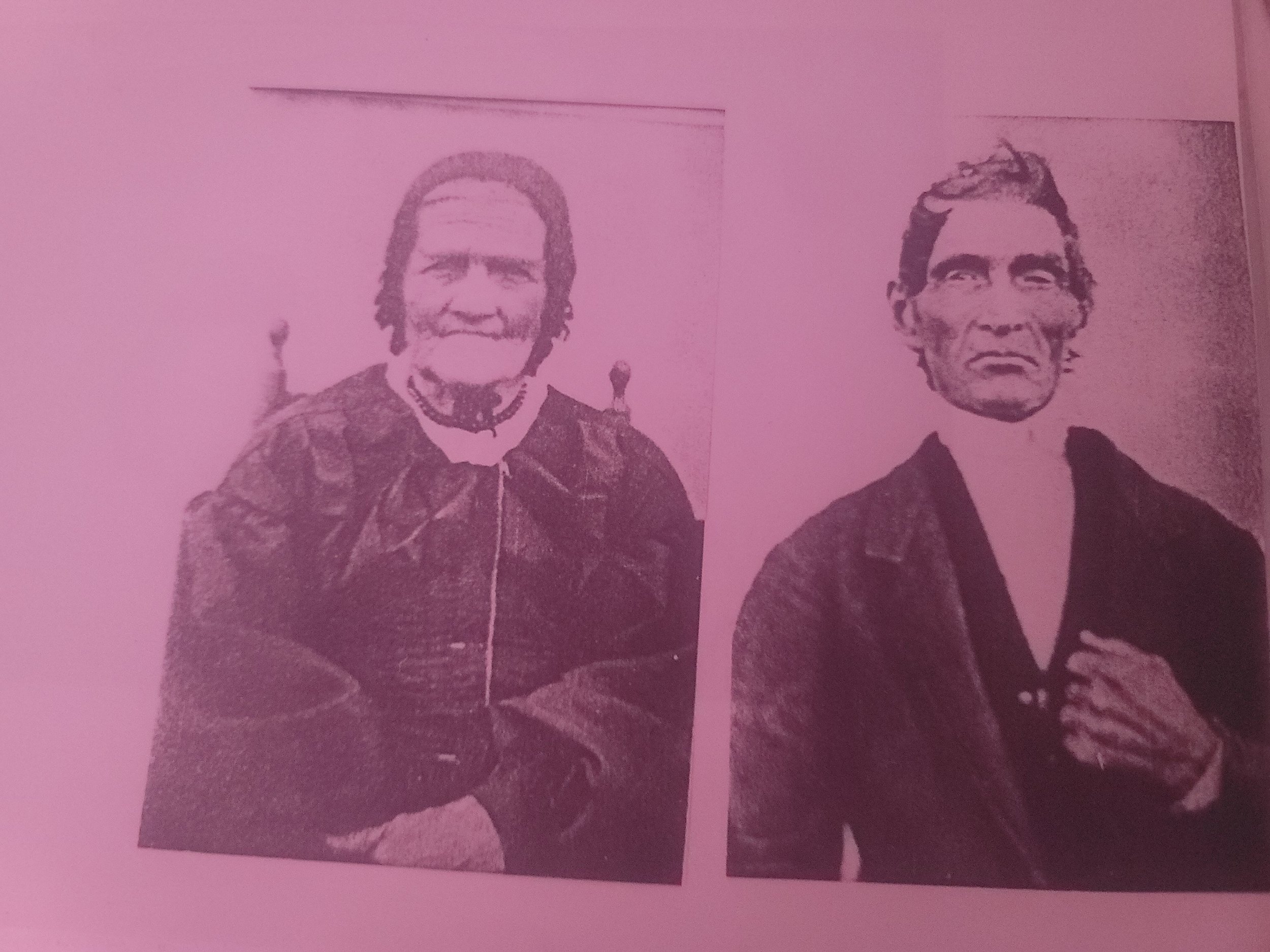
John “Jack” Koontz, a civil war veteran, and Delilah England (4th great grandparents). John Jack (1800-1882) and Delilah 1802-1880) owned a significant amount of property in the Koontz Hollow / Sugar Creek / Hunter’s Fork area. John Jack and Delilah had 11 children.
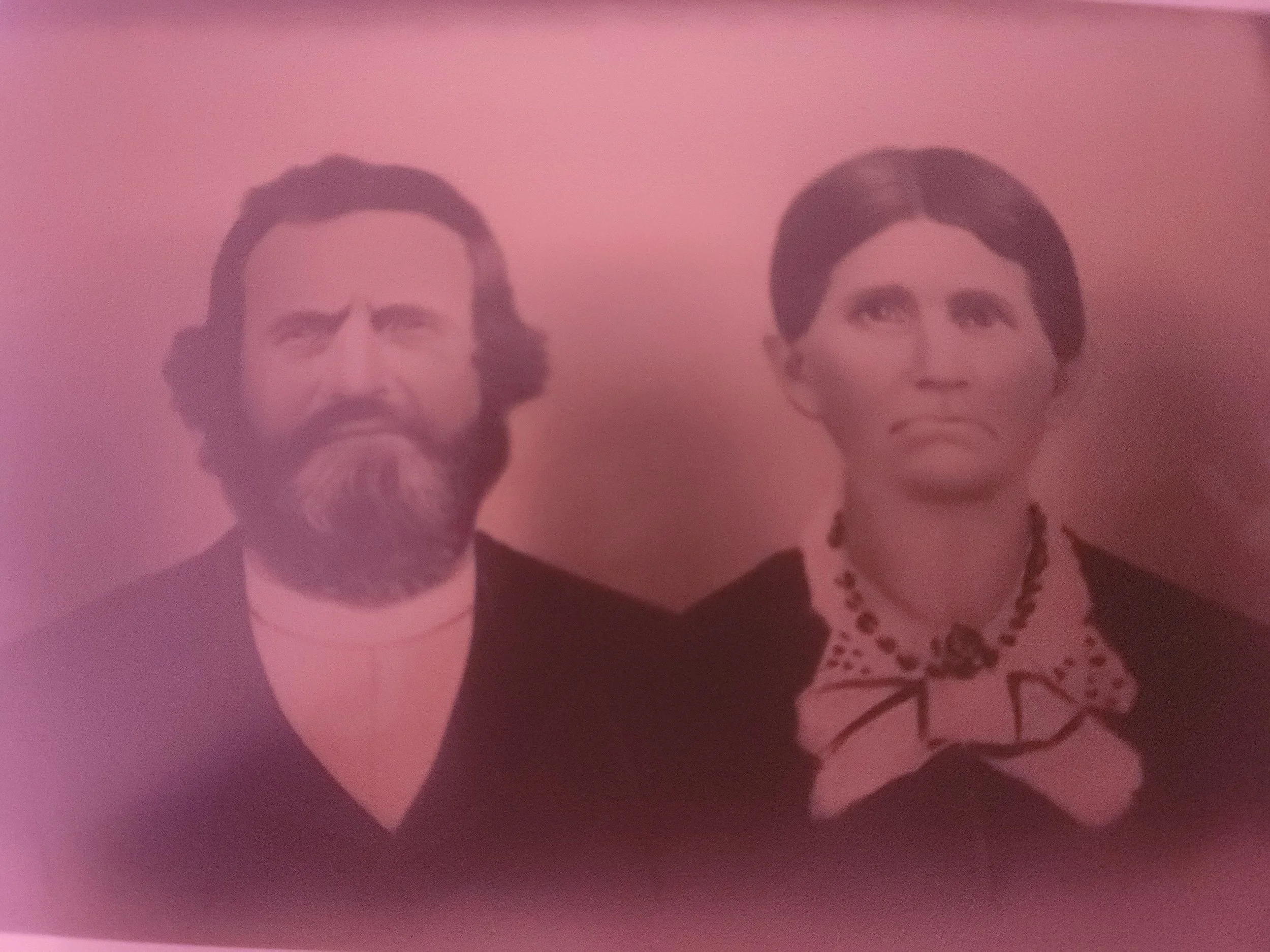
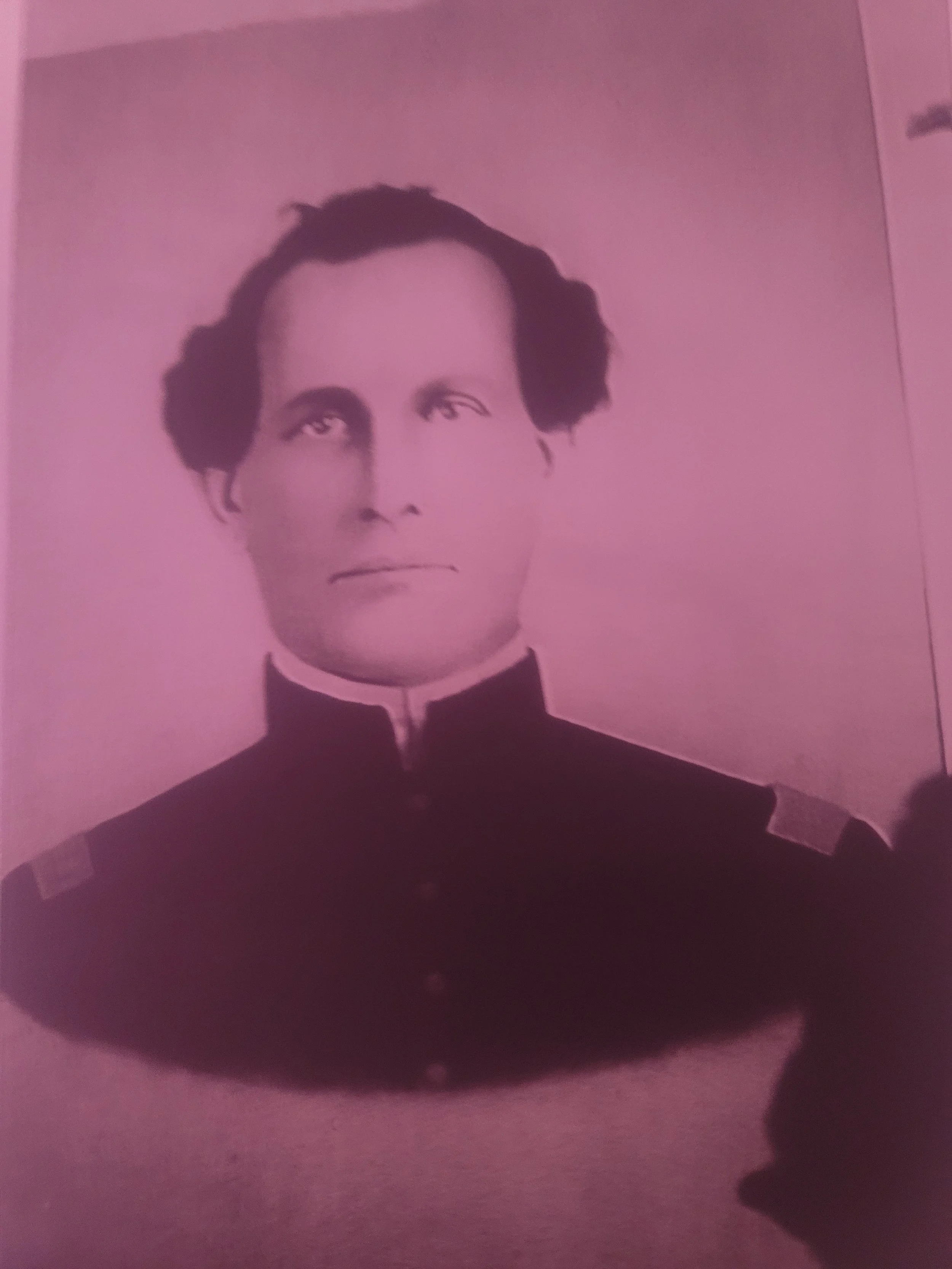
Adam Coontz (1821-1895) - a civil war veteran, and Sarah Stalnaker (1821-1995) were my 3rd great grandparents. Adam was the son of John Jack and Delilah and also owned much property in the Koontz Hollow / Sugar Creek / Hunter’s Fork area. They had 9 children.
Captain Michael T. Haller (1825-1865), died in an ambush in the Civil War. He was married to Sarah Nestor (1822-1899) (my 3rd great grandparents). The had 11 children, one of which was Mary Elizabeth Haller. After the death of Michael T. Haller, his wife Sarah moved to the Old Koontz Homestead in Koontz Hollow to live with her daughter. That structure is still standing.
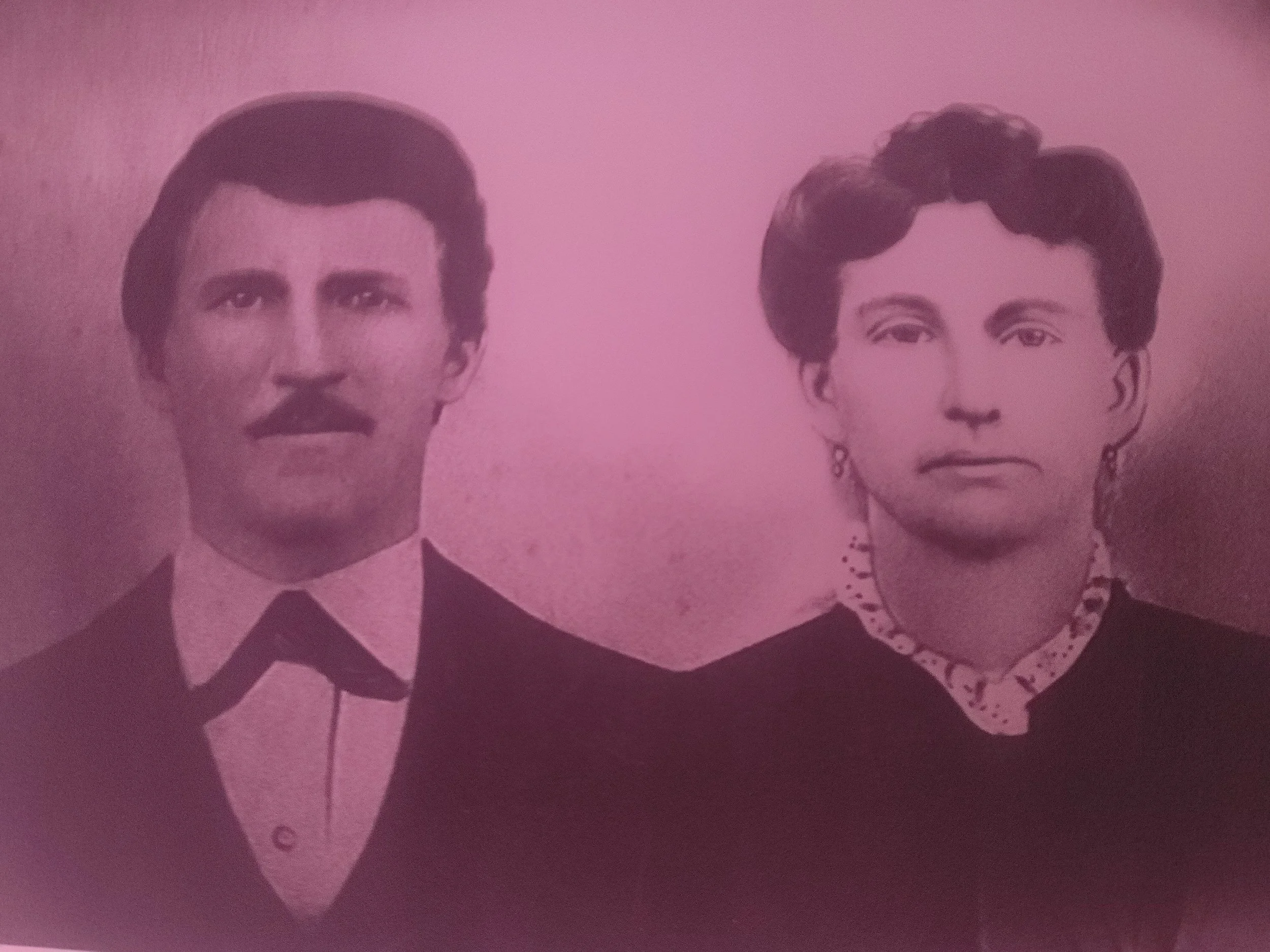
Isaac J. Coontz (1851 - 1909) and Mary Elizabeth Haller (1857 - 1941) were my 2nd great grandparents. They are buried in Lambert Chapel Cemetery along Hunter’s Fork. They had nine boys and lived in a small cabin while the larger “Koontz Homestead” was built around 1870 in Koontz Hollow. Isaac Coontz was also a Civil War veteran and his wife was the daughter of Captain Michael T. Haller.
Throughout Koontz Hollow, several historic structures dating to the early and mid-1800s remain standing as tangible connections to the area's past. Constructed during a period when Barbour County was still developing and many Appalachian communities were being established, these buildings have witnessed generations of family life, agricultural activity, community growth, and historical change.
These structures were built by hand, using locally available materials and the skills of the families and craftsmen who settled the region. Long before modern construction methods, they provided shelter, supported farm operations, and served as the foundation of daily life in the hollow.
More than 170 years later, many of these buildings continue to stand as reminders of the people who first called Koontz Hollow home. Their survival reflects generations of care, maintenance, and stewardship by families who remained connected to the land through changing times.
Together with historic photographs, family records, archaeological resources, and preserved landscapes, these structures help tell the story of Koontz Hollow's enduring place in the history of Barbour County and the Appalachian region.
Historic Structures and Living History of Koontz Hollow
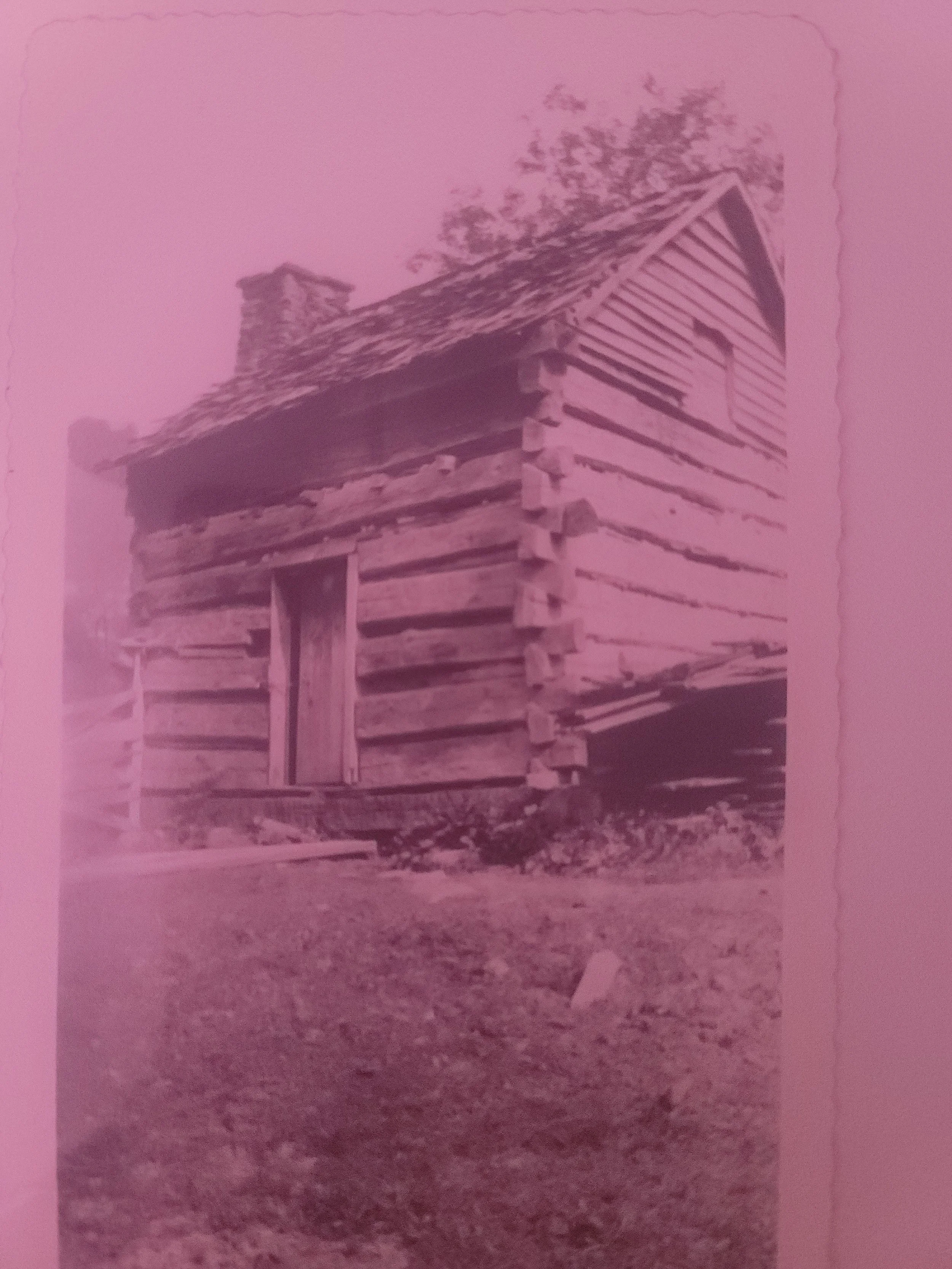
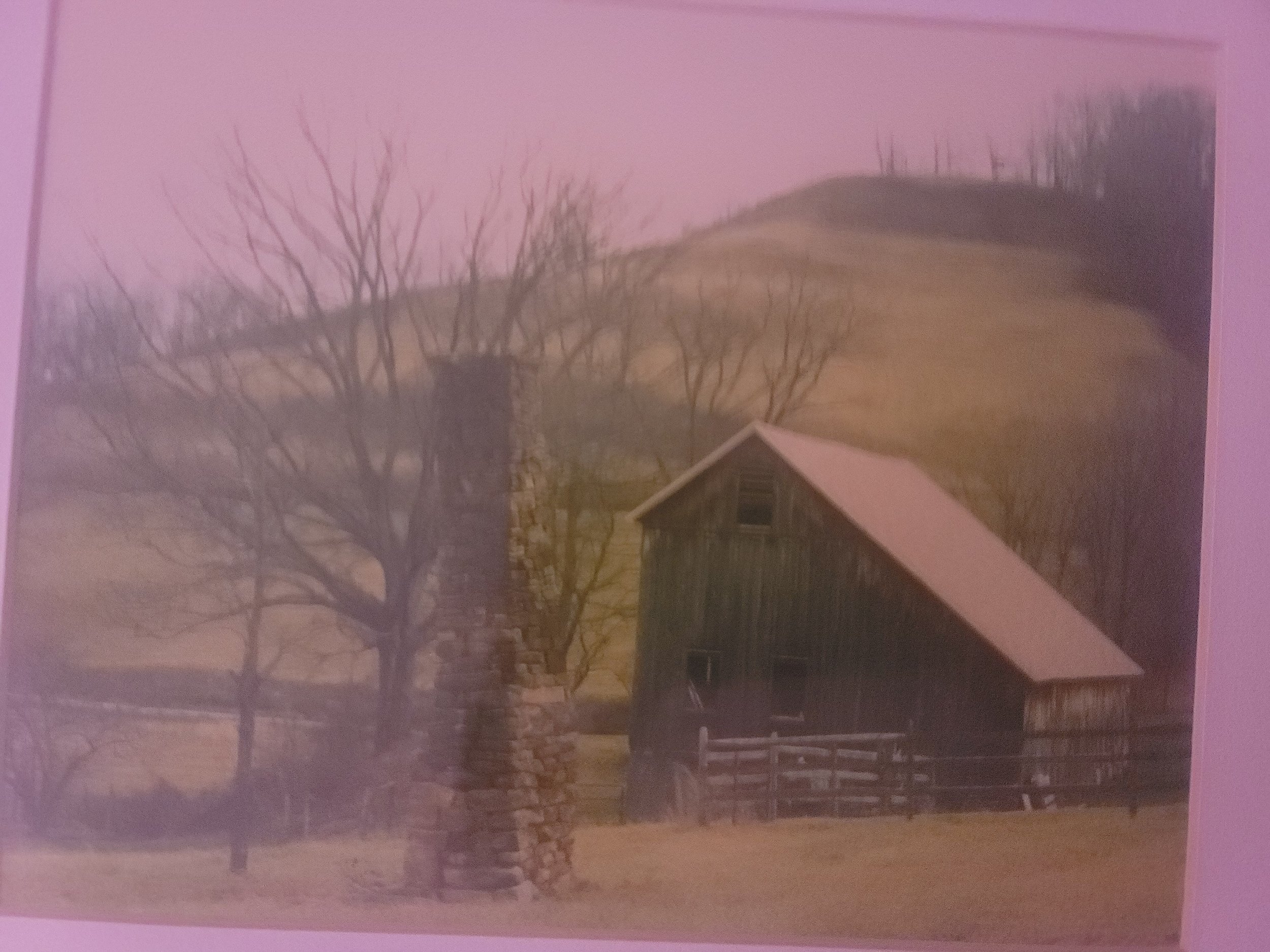
Barn and Stone Chimney still standing (well, about half of the chimney) on the old Koontz Homestead. The chimney was attached to the pictured cabin that Isaac Coontz and Mary Haller and children lived in while the larger house was being built. When Michael T. Haller was killed in the Civil War, his wife Sarah Nestor moved into the upstairs of the barn because there was no room in the little cabin.
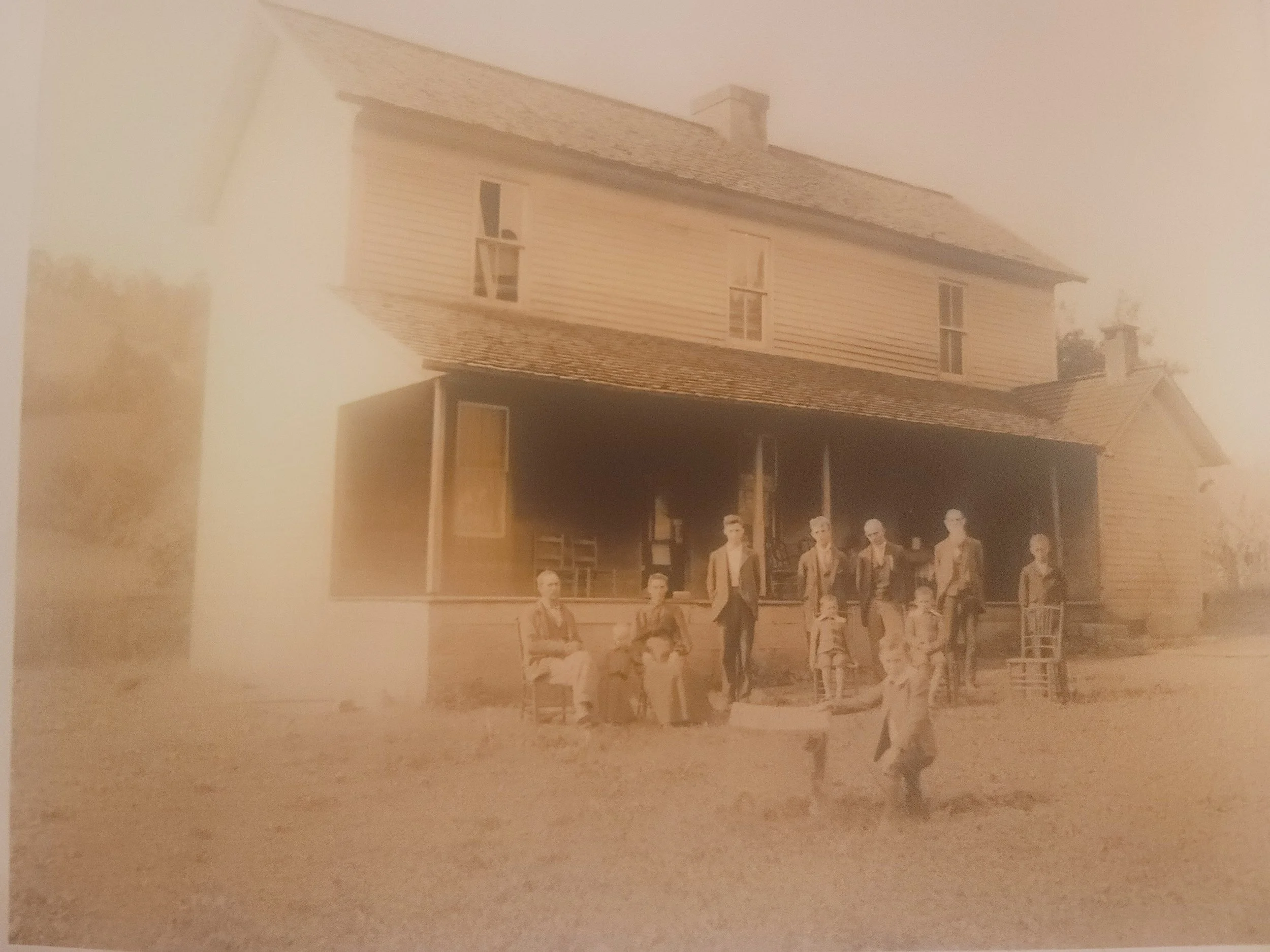
Old Koontz Farmhouse and Homestead in Koontz Hollow / Kelley Road , Barbour County, WV. Isaac, Mary and the children, including my great grandfather Floyd Coonts who left the farm to my grandmother Gladys Coontz (Paul Channell). My father Donald Channell then owned the farm and now I do.
Then and Now
While all of Koontz Hollow is at risk with the Valley North - Valley Link Transmission line, two neighboring properties were also on the previous proposed Potomac Appalachian Transmission Highline. That same route is being proposed as one of the routes of the “new” Valley Link project and so both families are at risk for losing generational land and having that land be permanently altered, the spring water ruined, and the viewsheds and historic charm destroyed.
Both of these homesteads are now listed on the State Historical Preservation Office with the Koontz Farm planning on submitting for full national registry as soon as the consultancy for the stone foundation of the barn is completed and the stones are restored to include structural integrity.
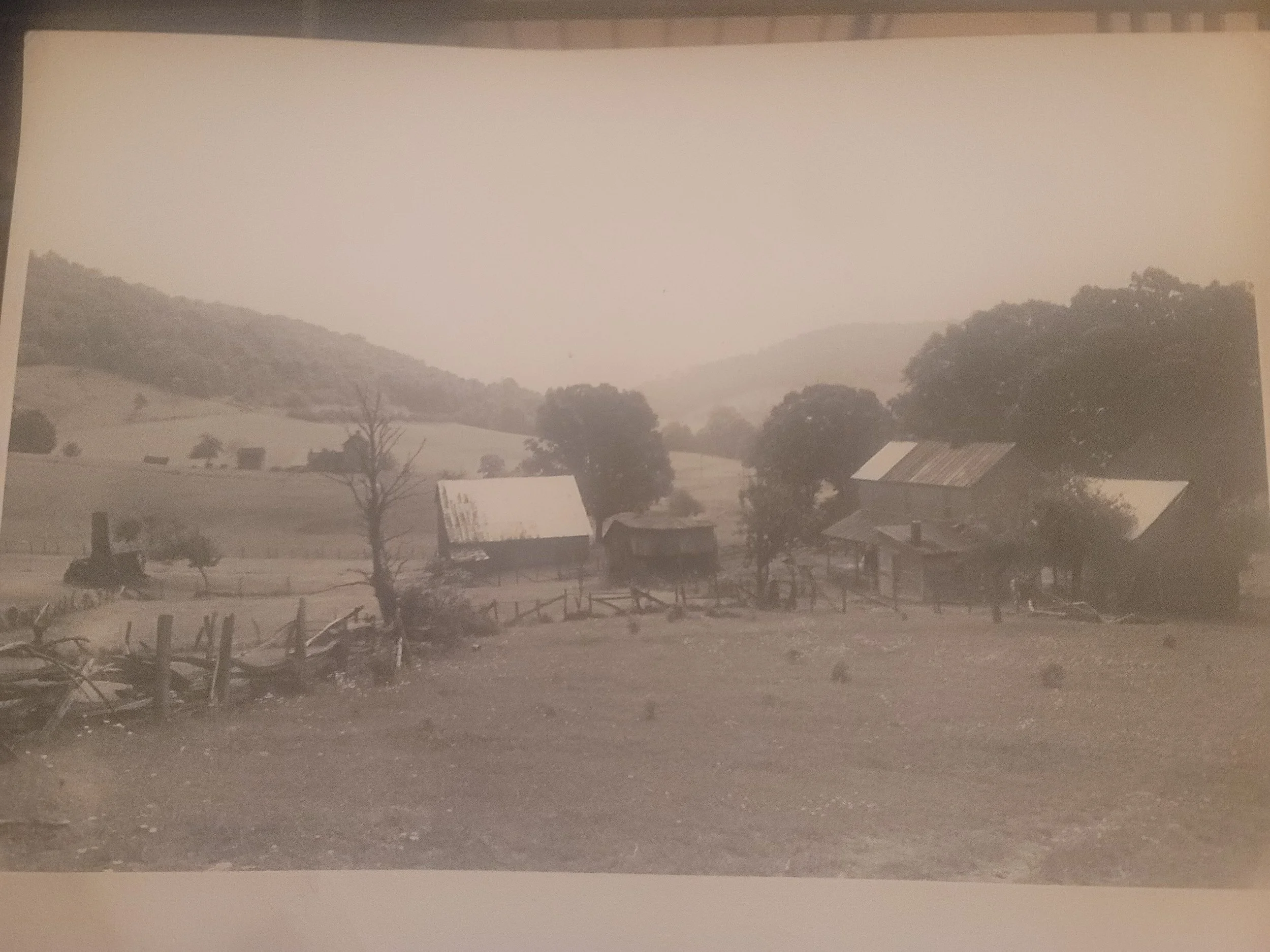
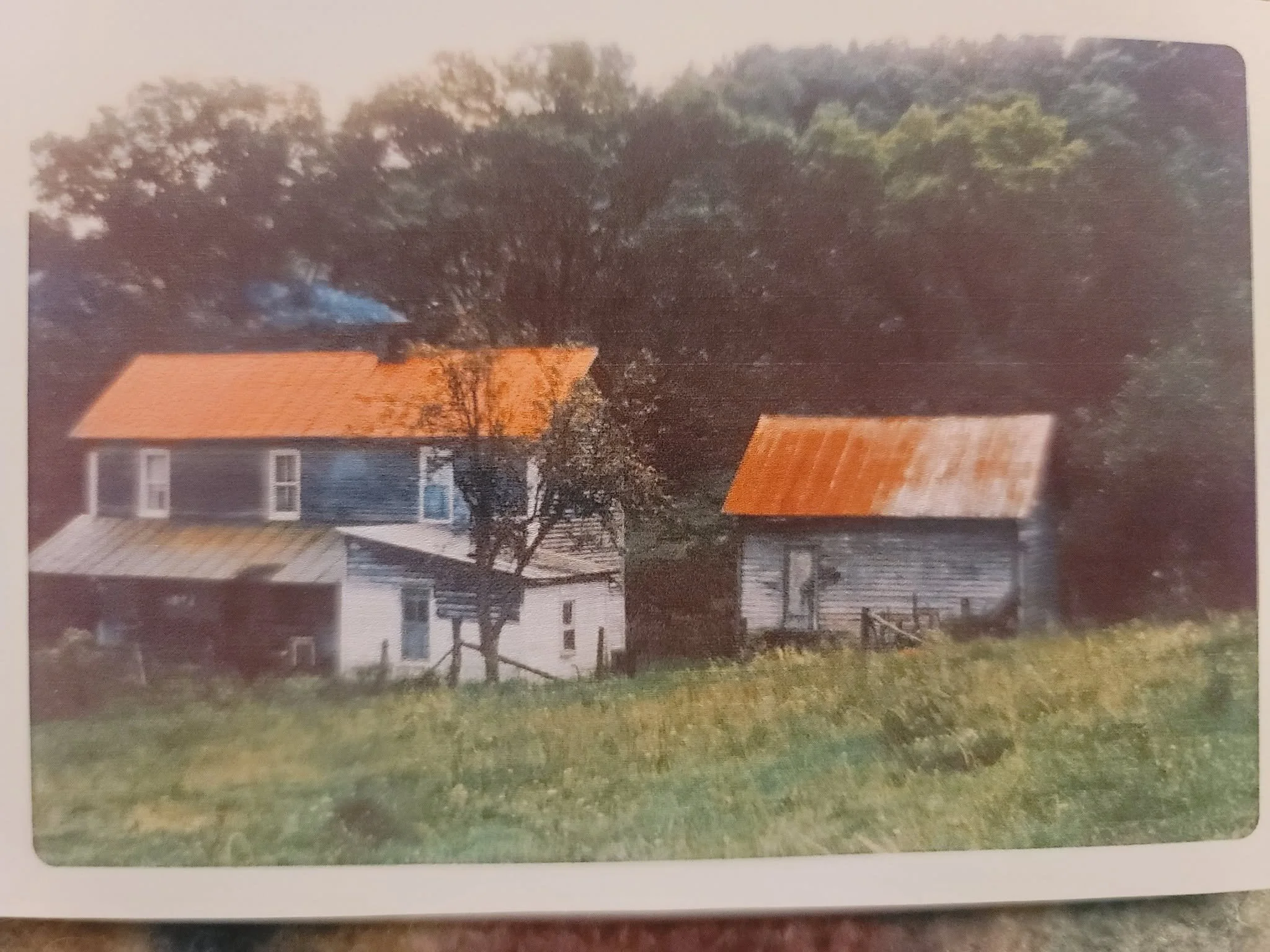
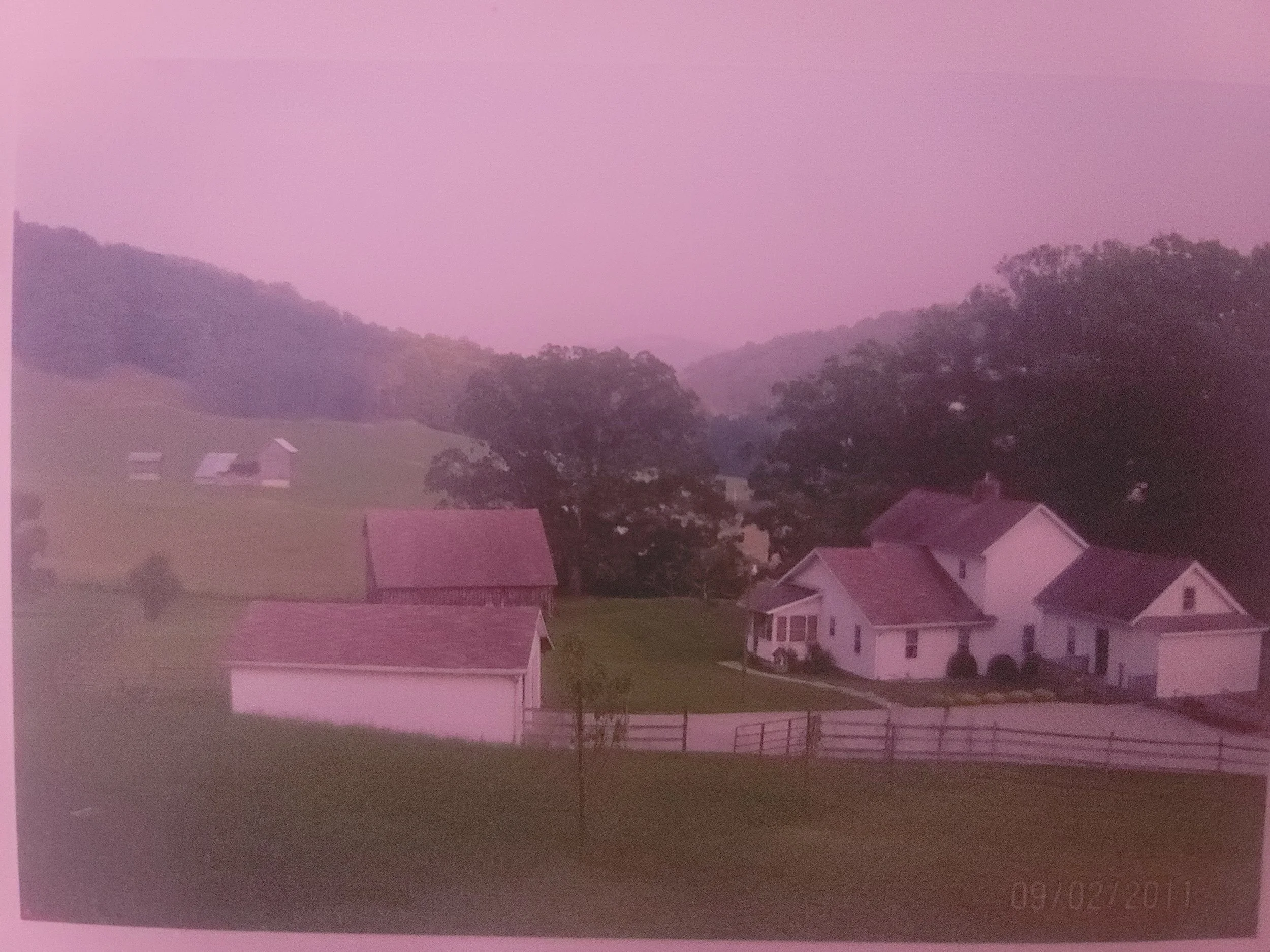
Above photos of the Old Koontz Farmhouse and Homestead. On the hill in the backdrop is the Kelley Homestead - then and now
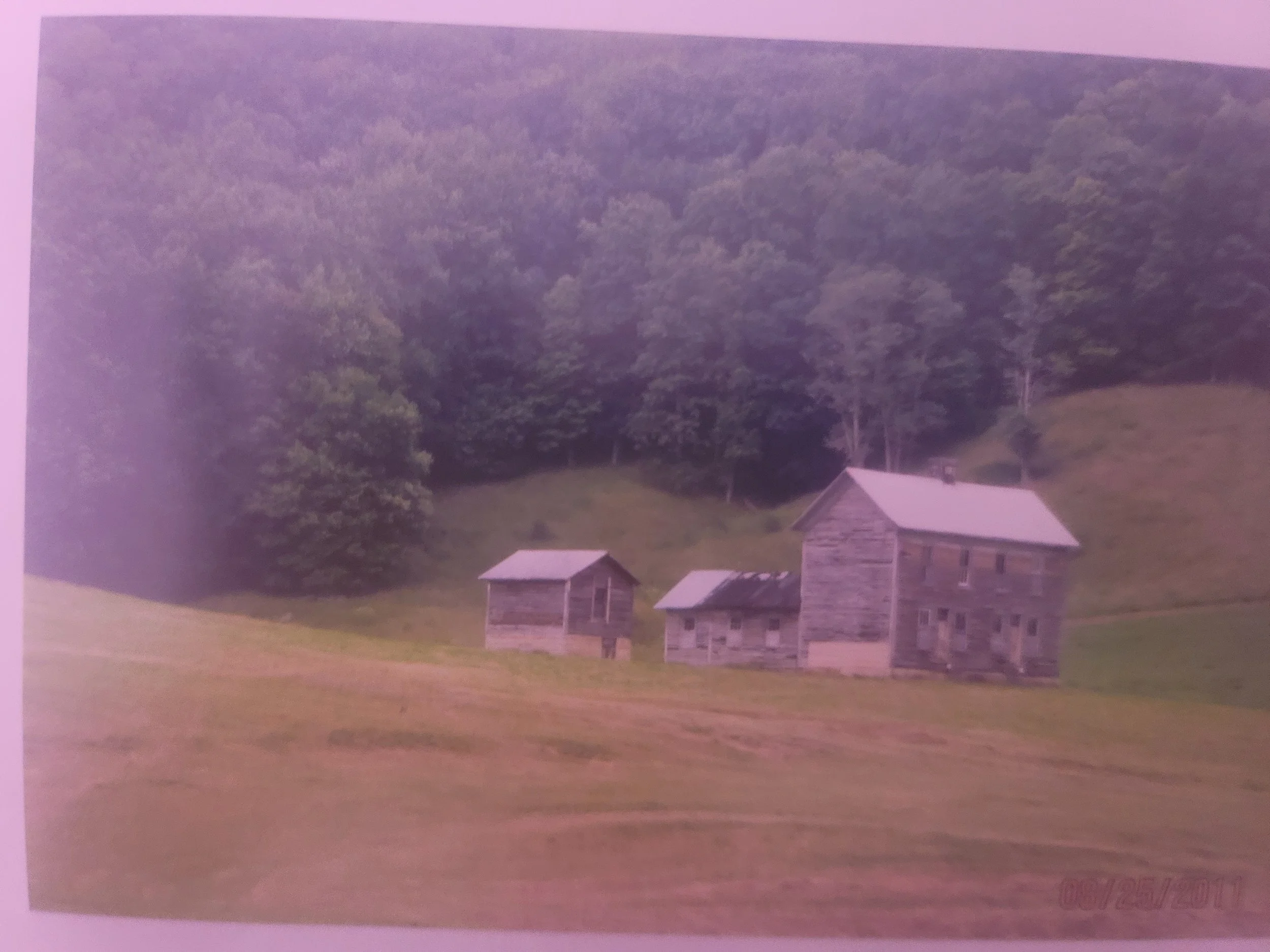
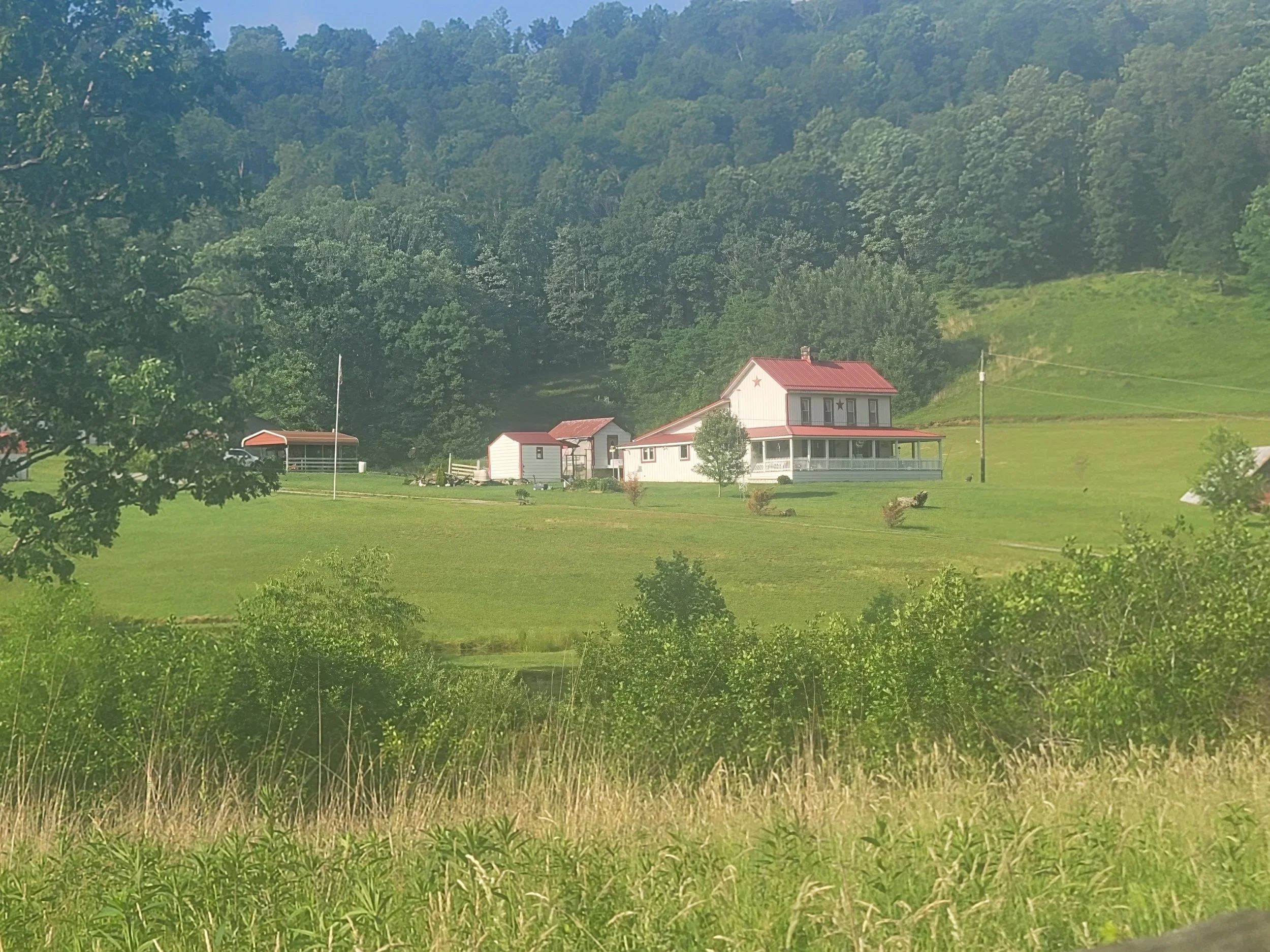
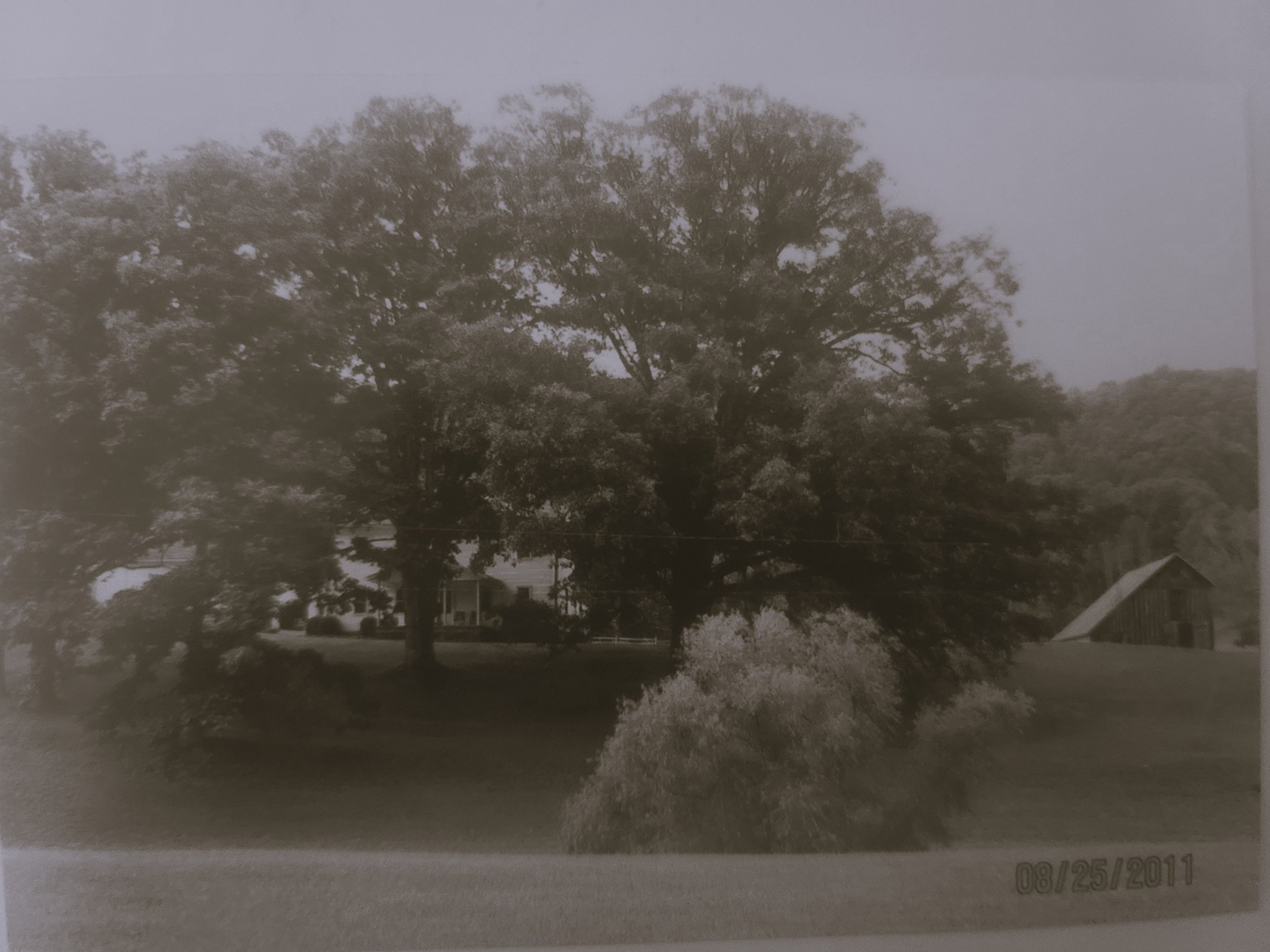
Above two photos: Kelley - Sponaugle Farmhouse - Koontz Hollow Kelley Road Barbour County WV - then and now
Koontz Hollow and nearby Hunter's Fork represent generations of family stewardship, Appalachian heritage, historic farms, cultural resources, and preserved landscapes. As the proposed Valley North and Valley Link transmission projects continue to advance, residents and supporters are working to ensure that the historical, cultural, environmental, and community significance of these areas is fully understood and considered.
Visitors are encouraged to explore the historical record, review available maps and documents, learn about potential impacts, and participate in the public process. Informed public engagement plays an important role in preserving the landscapes, heritage, and communities that make this region unique.